


The Bitcoin Field Guide
Bitcoin can feel complicated. The Bitcoin Field Guide is a growing collection of straightforward answers to the questions people actually have about Bitcoin, from the basics of how it works to self custody, mining, privacy, and using bitcoin in everyday life.
New entry every week.
New this week
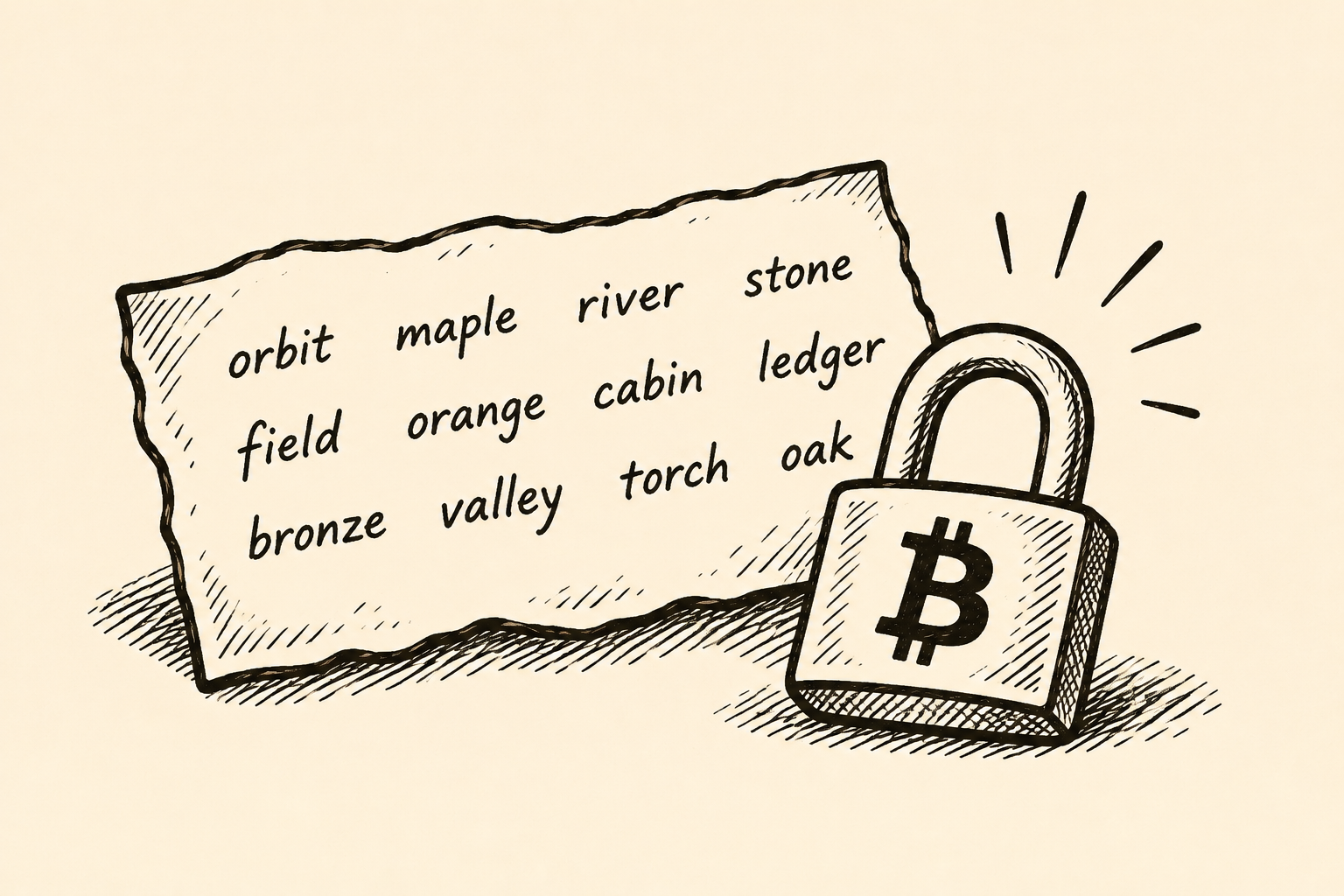
Learn when your funds are still accessible, what happens if you lose access to your wallet, and how to protect your bitcoin with a secure backup.
What happens when you lose your Bitcoin recovery phrase?

What Happens When You Lose Your Bitcoin Recovery Phrase?
Learn when your funds are still accessible, what happens if you lose access to your wallet, and how to protect your bitcoin with a secure backup.

How Does Bitcoin Upgrade Without a Central Authority?
How does Bitcoin improve without anyone in charge? Learn how Bitcoin Improvement Proposals (BIPs), public review, and decentralized adoption allow the network to evolve without a central authority.
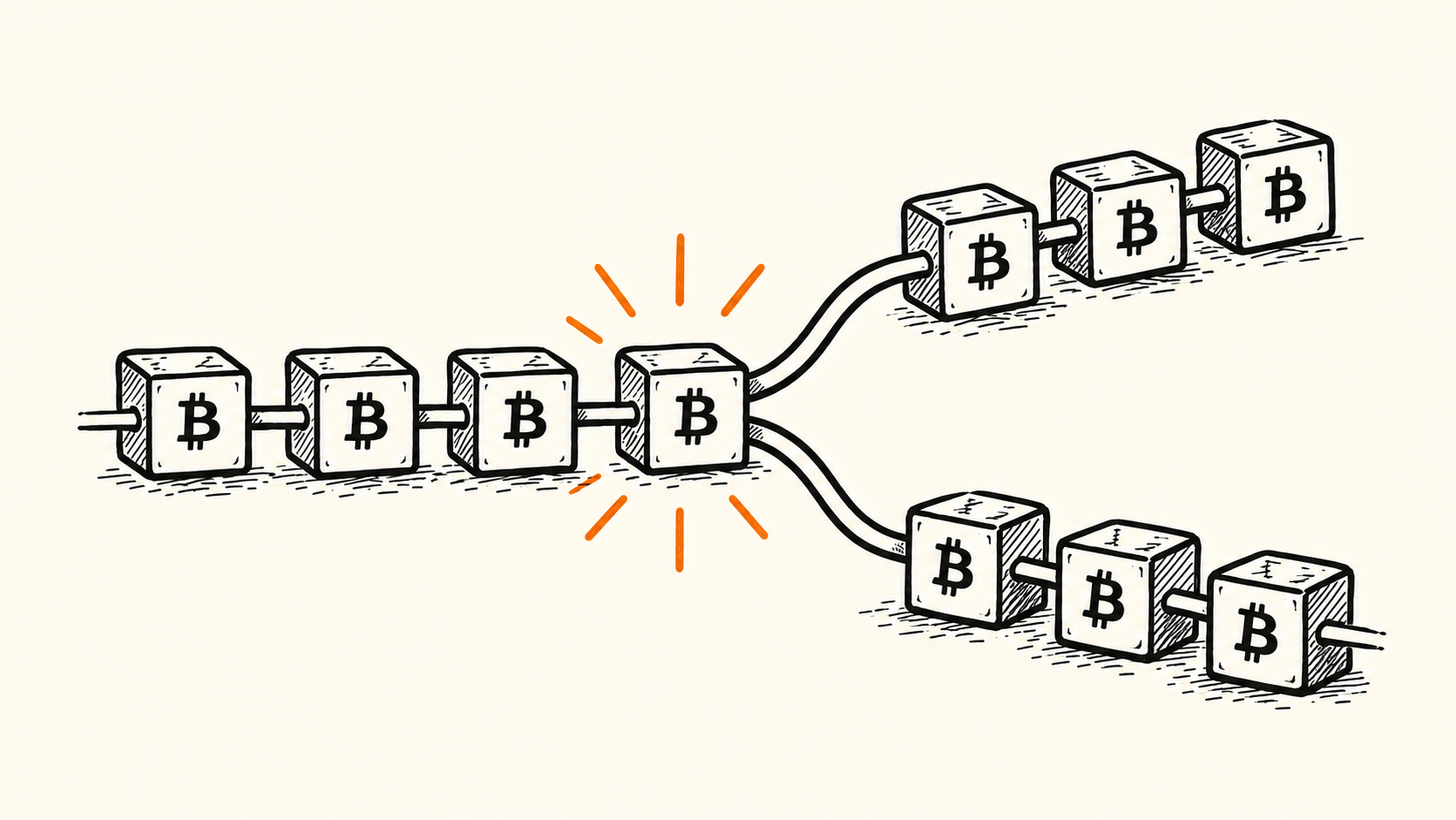
What’s the Difference Between a Soft Fork and a Hard Fork?
What happens when Bitcoin's rules change? Learn the difference between soft forks and hard forks, why backward compatibility matters, and how changes to the network can sometimes lead to a split.
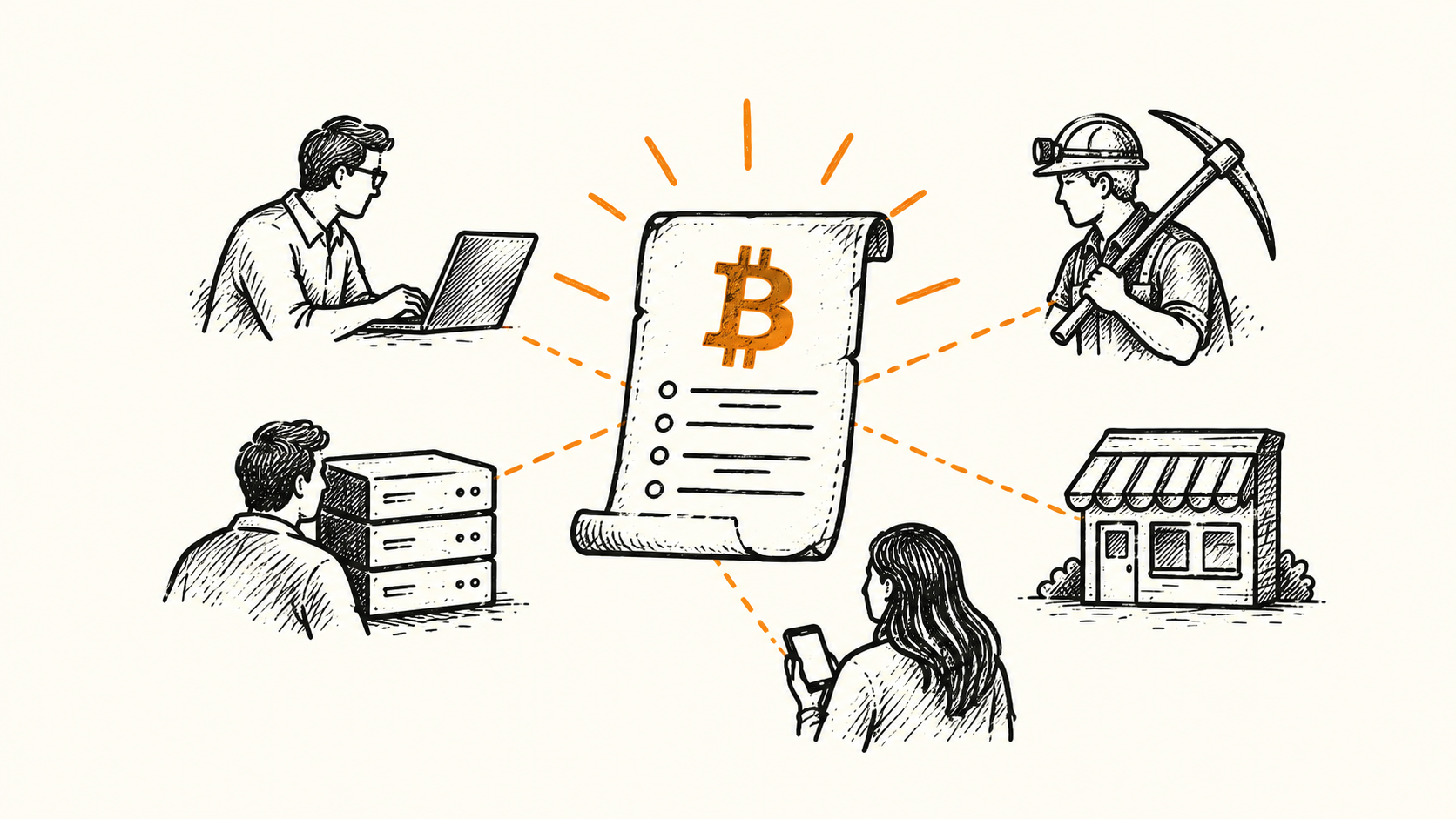
Who Decides the Rules of Bitcoin?
Bitcoin has no CEO, and even its creator stepped away from the project. So who decides the rules? Learn how developers, miners, nodes, and everyday users help shape a network without a central authority.

Where Are Your Bitcoin Actually Stored?
Your bitcoin isn't actually stored inside your wallet. Learn where bitcoin exists, how private keys give you control over it, and what happens if you lose access to your wallet.

What is a Bitcoin hash?
What exactly is a Bitcoin hash, and why does it matter? Learn how SHA-256 works, what makes cryptographic hashes unique, and how Bitcoin uses them to verify transactions, connect blocks, and secure the network.

How does bitcoin mining actually work?
What are Bitcoin miners actually doing? Learn how miners build blocks, perform proof of work, and compete to add the next block to the blockchain.

What is the Mempool?
What happens to a Bitcoin transaction while it’s still pending? Learn what the mempool is, why each node has its own, and what happens while transactions wait to be confirmed.

What actually happens when you send bitcoin?
What actually happens after you hit send? Follow a Bitcoin transaction from your wallet to the network, through the mempool, and into a block.

What Does a Bitcoin Node Actually Do?
What does a Bitcoin node actually do, and why do so many Bitcoiners run one? Learn how nodes verify the network, enforce Bitcoin’s rules, and let you check for yourself instead of relying on someone else.